The spec library: fourteen series, one table, no adjectives
The table above lists each reviewed series by its hard numbers, and this page explains what those columns can tell you, along with the larger thing they cannot.
| Series | Episodes | Free | Tokens per episode | |
|---|---|---|---|---|
 | Yes Ma'am | 30 | 2 | 12 |
 | Not Under My Roof | 5 | 2 | 12 |
 | The Nuns Took Me In | 5 | 2 | 12 |
 | Got Stuck With My Girlfriend's Stepmom | 5 | 2 | 12 |
 | Sworn to the Queen | 5 | 2 | 12 |
 | My Best Friend's Bride | 5 | 2 | 12 |
 | Staycation with my fiancee's mother | 5 | 2 | 12 |
 | Snowed-In with Stepmom | 5 | 2 | 12 |
 | Under Her Armor | 5 | 2 | 12 |
 | My Ex's Hot Dad | 5 | 2 | 12 |
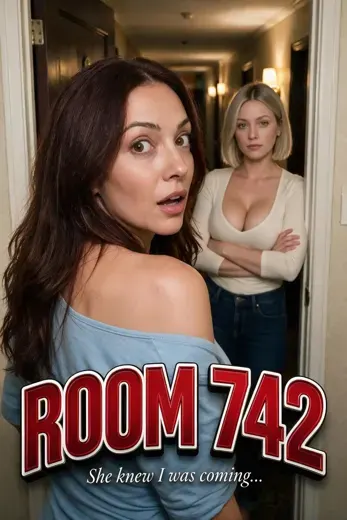 | Room 742 | 5 | 2 | 12 |
 | My Wife's Personal Trainer | 5 | 2 | 12 |
 | Trespasser of the Sunken Court | 5 | 2 | 12 |
 | My Roommates Made a Bet | 5 | 2 | 12 |
Reading the columns
Think of the table the way you would read a spec sheet in a gear magazine. It tells you what the product is and what it costs to operate, and it says nothing about whether you will like using it.
- Episodes: the full length of the run. Thirteen titles sit at five. One sits at thirty.
- Free episodes: how much you can watch before tokens enter the conversation. Every reviewed series gives you two.
- Tokens per paid episode: the running cost. Every reviewed series charges twelve.
Yes, that is a lot of identical cells. The sameness is useful information in its own right, because it means no title can be picked as the bargain of the bunch on rate alone.
The only number that really varies
Length is the one column that separates anything from anything else, so it is the one to look at first. A five-episode series has three paid episodes, which comes to thirty-six tokens for the complete run. Yes Ma'Am has twenty-eight paid episodes, which comes to three hundred and thirty-six. That is a real difference in commitment, in time as well as in tokens, and the guide to short and long runs goes through when each one makes sense. For everything else in the table, treat the numbers as a tie and break it another way.
Breaking the tie
When the specs match, premise and tone have to do the sorting. That work belongs to the rest of the site. The genre shelves group titles by setup, such as a household with a rule in it or a fantasy court with a crown at risk. The mood shelves group the same titles by how they feel to watch. If you have narrowed things to two or three, a comparison page will put them next to each other. A sensible routine goes like this: scan the table once to confirm nothing surprises you, choose a shelf that fits the evening, read a single sheet, and then let the free episodes settle the matter.
What the table leaves out
There are no scores in this table, and there will not be any. A rating would suggest a precision that nobody watching a vertical drama can honestly claim, and it would also hide the most useful fact, which is that taste does the deciding here. Each sheet spells out the premise, the pacing and who should skip it. If a figure on Candy changes after a sheet was written, trust what the app shows you at the moment you pay. Numbers drift. The token guide covers how to think about those costs and the plans around them.